


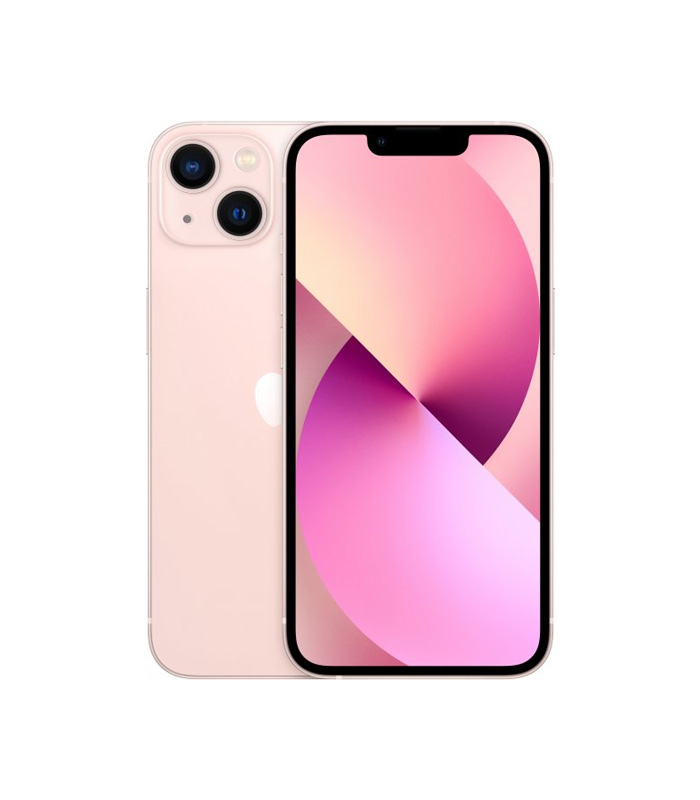
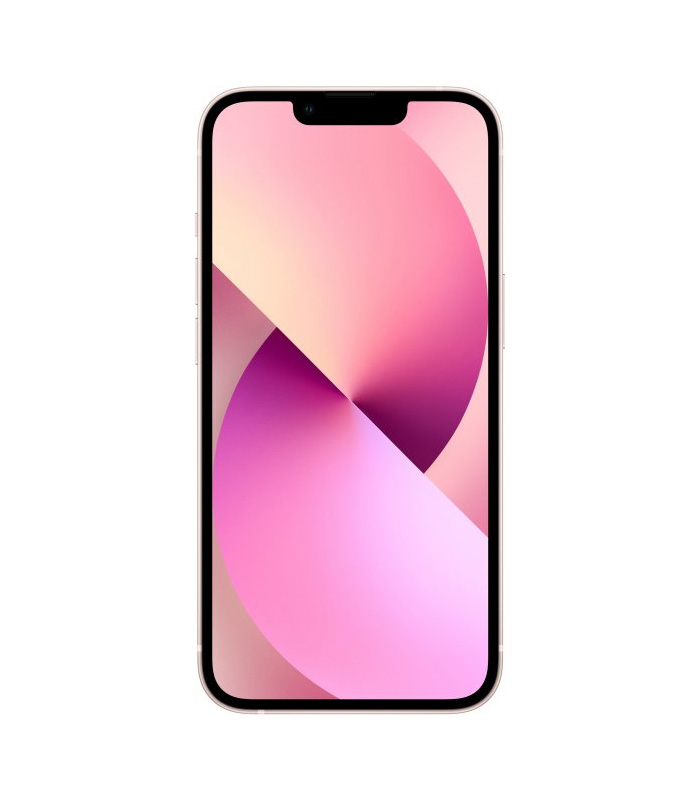
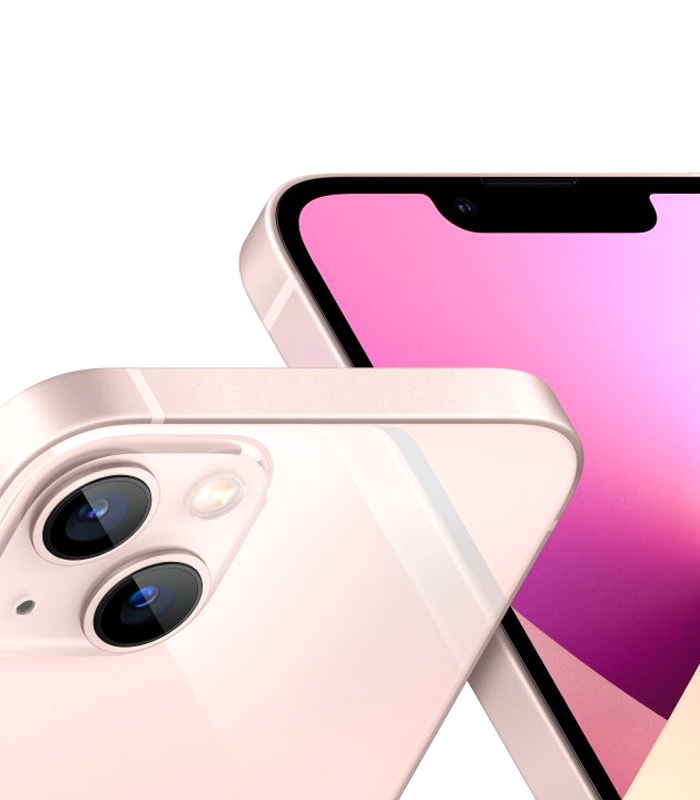
iPhone 13 Apple
-
-
ConnectivityiPhones can access the internet using a cellular network or Wi-Fi.
-
-
Music and videoiPhones can play music and videos that have been downloaded from the internet or put on the phone from a computer.
-
AccessibilityiPhones have built-in accessibility features for vision, mobility, hearing, and cognitive disabilities.
-
Wireless experienceiPhones can be used with iCloud for backing up data, re-downloading purchases, and locating lost or stolen iPhones.
The iPhone is a smartphone made by Apple that combines a computer, iPod, digital camera and cellular phone into one device with a touchscreen interface. The iPhone runs the iOS operating system, and in 2021 when the iPhone 13 was introduced, it offered up to 1 TB of storage and a 12-megapixel camera.
The original iPhone was announced on Jan. 9, 2007, at the Macworld convention by Apple co-founder Steve Jobs. While it was not considered the first smartphone, the iPhone has helped drive the global shift to mobile computing among both consumers and businesses. Its primary rival has been Google Android-based devices from companies such as Samsung, also introduced in 2007.
The first-generation iPhone came preloaded with a suite of Apple software, including iTunes, the Safari web browser and iPhoto. Internet Message Access Protocol and Post Office Protocol 3 email services were integrated with the device.
Apple released the iPhone under an exclusive two-year partnership with AT&T Wireless, but it took less than three months for hackers to unlock the device for use on any Global System for Mobile communication network.
IPhone models
IPhone 3G, 3GS. Apple released the second-generation iPhone and iPhone operating system (OS) 2.0 on June 9, 2008. The new device was called the iPhone 3G, a nod to its new ability to connect to third-generation (3G) cellular networks powered by technologies such as Universal Mobile Telecommunications System and high-speed downlink packet access (HSDPA). The iPhone 3G was available in 8 GB and 16 GB models.
The iPhone OS 2.0 update included several features designed for business, including support for Microsoft Exchange email. Improved mobile security features included secure access to corporate networks over Cisco’s IPSec virtual private network, plus remote wipe and other management capabilities.
Apple also released in 2008 a software development kit (SDK) for custom applications, a configuration utility for centralized management and, most importantly, its App Store — a portal through which iPhone users could purchase and download additional applications to run on their devices.
The iPhone 3G exchanged the flat aluminum housing of the first-generation iPhone for a sleek, convex black or white plastic case. The switch to plastic enabled better transmission for the many radio receivers inside the device.
The iPhone 3G also featured assisted GPS, which combined triangulation using cellular towers with a GPS receiver. It did not support Flash, Java or Multimedia Messaging Service (MMS). Its built-in Bluetooth supported wireless earpieces but not stereo audio, laptop tethering or File Transfer Protocol.
IPhone 4 and 4S. Apple released the iPhone 4 on June 7, 2010. With this model, Apple also changed the name of its OS from iPhone OS to iOS. The name change was made in the aftermath of the April 3, 2010, release of the iPad, which ran the same OS.
Hardware innovations in the iPhone 4 included Apple’s Retina Display, which boasted a higher pixel density than previous iPhone screens and a front-facing camera. For the first time, Apple also produced versions with code division multiple access connectivity, which enabled the device to connect to a wider variety of cellular carriers’ networks.
IOS 4 introduced FaceTime, an app that enabled video calling between Apple devices over Wi-Fi. It also brought limited multitasking capabilities to the iPhone, letting users make phone calls or listen to music in one app, while having a different app open on the screen.
On Oct. 4, 2011, Apple released the iPhone 4S, which featured the debut of Siri, a voice-powered digital assistant app. The device ran on Apple’s new A5 processors and shipped with iOS 5, which featured the debut of Apple’s cloud service, iCloud, and its proprietary text and multimedia messaging technology, iMessage.
- IPhone 5, 5c and 5s. The iPhone 5, which was released on Sept. 12, 2012, featured a taller screen than its predecessors, measuring 4 inches diagonally with a 16:9 widescreen aspect ratio and 1136 x 640-pixel resolution. It ran on Apple’s A6 processor and included a specially designed nano-SIM card, plus a new connector that was not compatible with plugs and accessories for the iPad, iPod or previous iPhones.
- The iPhone 5s, released on Sept. 20, 2013, shipped with iOS 7 and was powered by a 64-bit dual-core A7 processor. Apple added another new chip called the M7 coprocessor, which handled motion data from the phone’s gyroscope, compass and accelerometer.
- The iPhone 5 and 5s had the same aluminum frame, chamfered edges, weight and dimensions, weighing just 3.9 ounces and measuring 4.9 x 2.3 x 0.3 inches. The iPhone 5s had an updated camera lens with F2.2 aperture. Other new camera features included slow-motion video and live video zoom capabilities.
- The iPhone 5 was also the first iPhone to support Long-Term Evolution (LTE) networks and the 5 gigahertz 802.11ac Wi-Fi band. It was available in 16 GB, 32 GB and 64 GB storage capacity models. The iPhone 5 shipped with iOS 6, whose new features included a native Maps application and Passbook, an app that stores digital credit cards, boarding passes and more.
- IPhone 6 and 6 Plus; 6s and 6s Plus. Apple released the iPhone 6 and 6 Plus on Sept. 9, 2014. It marked the first time that one iPhone model was available in two different sizes. The iPhone 6 featured a 4.7-inch display with a 1334 x 750 resolution, and the iPhone 6 Plus had a 5.5-inch display with a 1920 x 1080 resolution. Both devices ran Apple’s A8 processor and M8 motion coprocessor, and they were the first to come with Apple Pay, Apple’s mobile payments service.
- IPhone 7 and 7 Plus. The iPhone 7 and 7 Plus, announced on Sept. 7, 2016, boasted Apple’s first water- and dust-resistant casing. The devices, which came in 32 GB, 128 GB and 256 GB versions, also featured two 12-megapixel cameras and Apple’s new four-core A10 Fusion processor.
alaqmart –
test
prateek –
good